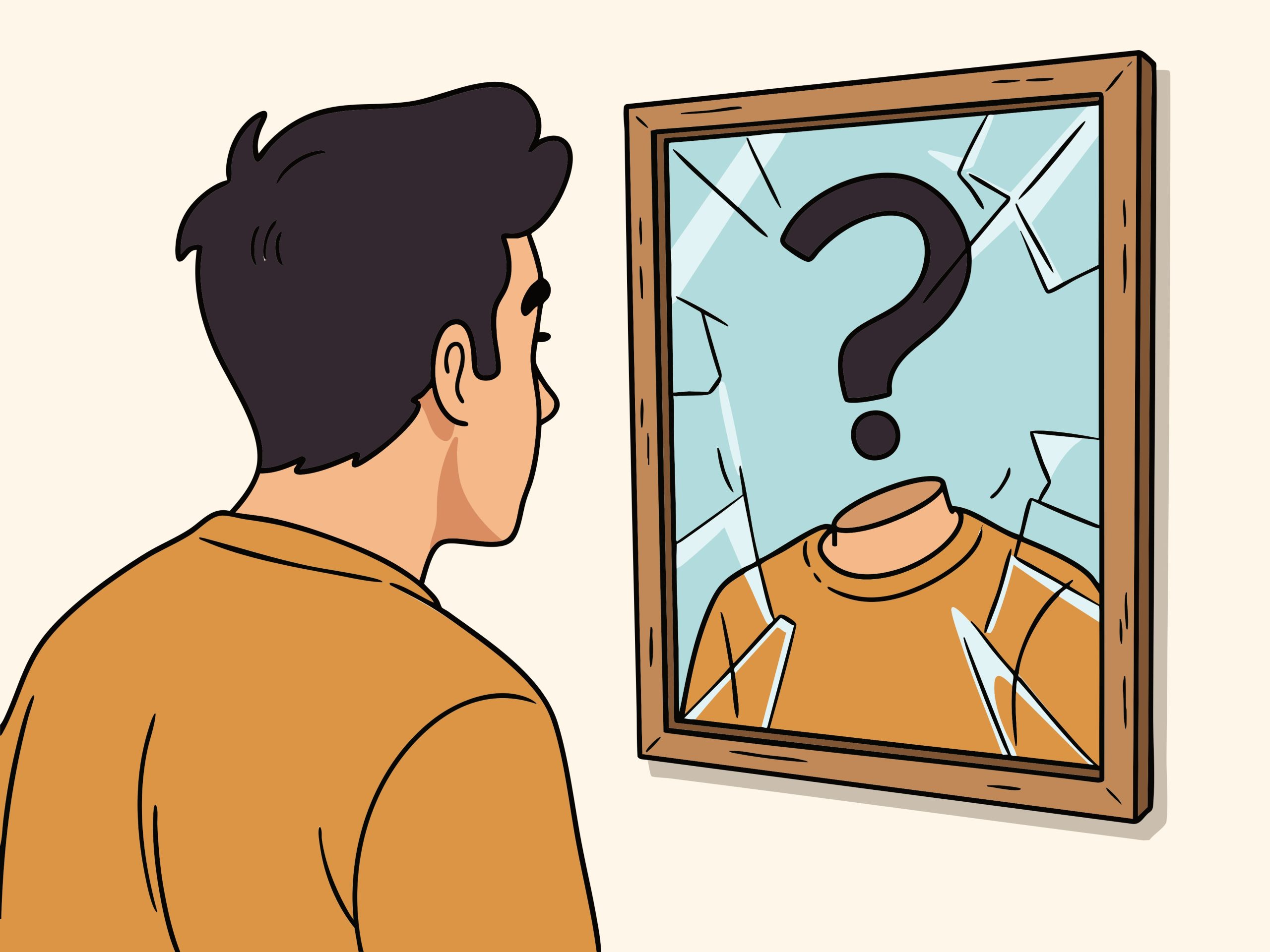
You may have been taught or drawn the conclusion that not knowing what to do is unacceptable and something that should never happen. Because of this, you may unknowingly view not knowing what to do as a reason to feel bad, be anxious, or unhappy
Overcoming the trigger
Overcoming this trigger requires you to see that, yes, you may dislike not knowing what to do in a certain situation, but you don’t have to view that reality as a reason to feel bad or anxious.
What not knowing what to do means
It can be useful to remember that not knowing what to do typically happens when you’re in a new situation or don’t know enough to make a decision. Is it possible that you will always know what to do? Maybe, but the only way that can be guaranteed is if you are perfect.
Not knowing what to do is often an opportunity to learn something new or to experiment. Several widely used inventions, like the airplane, automobile, and light, resulted from several rounds of experimentation. These great inventors had a goal in mind but used time and experimentation to achieve it. If you read up on the stories and lives of highly praised chefs, you’ll also see that a big part of some of their journeys is experimentation.
Some environments aren’t the right fit
There may be times when you’re in an environment that thinks it’s “bad” or disallows members from knowing what to do. If so, that environment likely isn’t a fit for you. You can strategically move into a different environment that makes it easier to achieve your goals.
If you are unable to change environments immediately, it can help to remember that you don’t have to view pressure and others’ opinions as reasons to feel bad or anxious. If others think it’s unacceptable to not know what to do, you don’t have to view that as a reason to feel bad. These people may think that you should feel bad when you don’t know what to do. It’s your life and your peace. They are humans just like you, so you don’t have to give in to their thinking.
How to handle outside pressure
There could be several reasons why you may not know what to do in a situation. You and others may overlook these reasons. Some people think they must always know what to do and internally suffer as a result of this pressure/expectation.
Like we’ve mentioned, some people and environments may expect others to think and live by the standard of always knowing what to do.
Some people create cultures that discourage others from being unsure of next steps as a way to make members work harder, more, etc.
If you want to be anxiety-free and at peace, you can’t view falling short of these outside pressures and expectations as reasons to feel bad or anxious.
If you’d like help or want to explore this topic more, feel free to leave a comment or contact us directly.
Recommended reads for overcoming social anxiety
There’s more
If you struggle with low self-esteem, self-consciousness, low self-worth, or low self-confidence, we encourage you to view our self-help solutions for these and other common psychological challenges.
Looking for more?
If you’d like to dig deeper or want 1on1 help let us know. Otherwise, we suggest leaving a comment so our experts or someone in the community can help you.
Have something to add?
If you have insights to share or a question we’d love to hear it. Contribute
