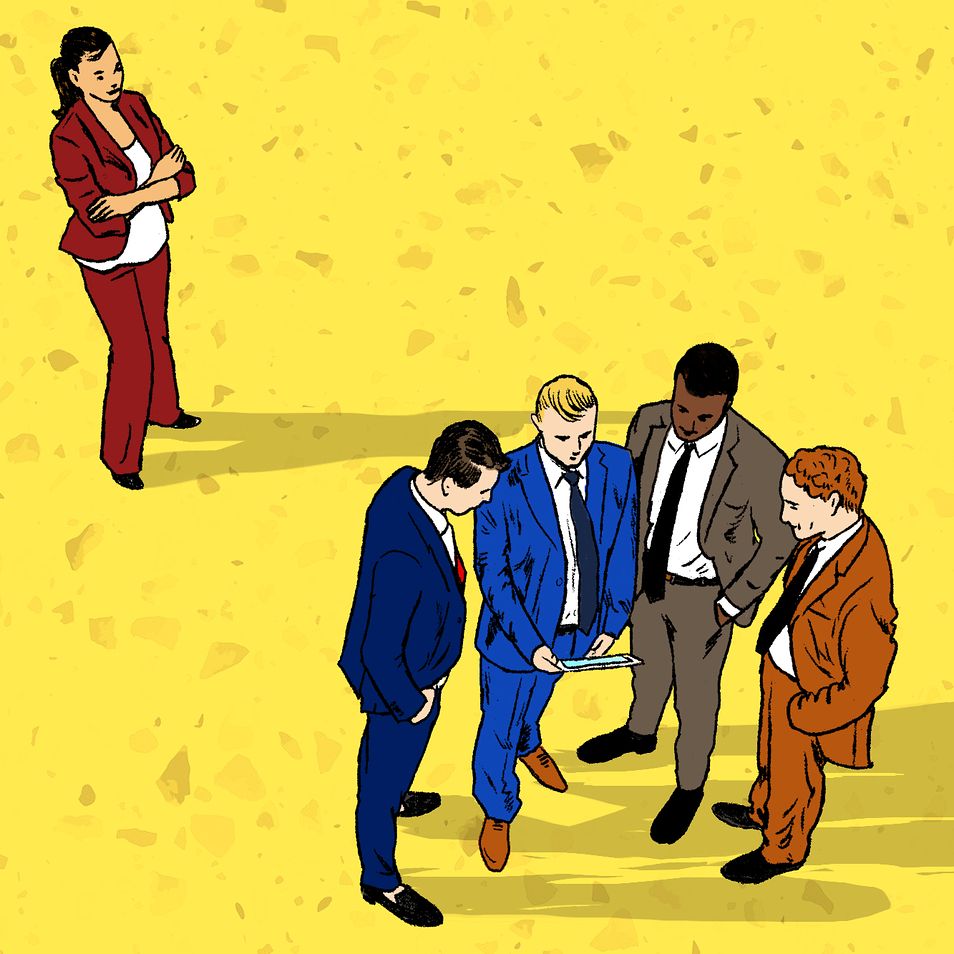
This solution will help anyone who feels, knowingly or unknowingly, inferior alone or around others, or wants to overcome an inferiority complex.
Although the words ‘inferior’ and ‘superior’ are used in several different contexts, they have the potential to generate a lot of emotional pain when used to describe humans.
When used to discuss or compare non-human objects, the words inferior and superior often mean that someone likes or prefers one object over another.
What inferiority means
When used to discuss or compare humans, what does it mean for one person to be inferior to another?
A subset of people who use these terms believe that some humans were born or are just “better” than other humans. Why though, do they believe this? Some of these people hold this belief based on what they externally observe. For example, some people think that individuals with more money than others are superior to those with less. What these people sometimes overlook is that someone can have more resources or capabilities in one aspect of life and be weaker in others.
In the above money example, what does it mean to be inferior? Everyone is unique with unique life circumstances, so there are bound to be some people with more money than others. Rather than look at that fact for what it is, why are the words ‘superior’ or ‘inferior’ used?
Feel free to validate this for yourself, but you and others who use these words probably unknowingly think someone should feel bad when they aren’t as strong or equal to someone in certain categories. The word/label ”inferior’ is often, thus, a word you or others use to describe this phenomenon. The phenomenon of believing someone should feel bad for not being as strong or equal to others in a certain category or domain of life. In other words, rather than neutrally evaluating the fact that you may be weaker than someone in a certain category, you may knowingly or unknowingly think you should feel bad about that undesirable reality and label that reality as meaning you’re inferior.
You can read the Anxiety Paradox to understand why you may think you should feel bad about being weaker than others in certain categories.
To summarize, the word inferior doesn’t have a universal meaning but is a word you or others use to describe/label the often unconscious phenomena that you or others think people should feel bad about being weaker than others in certain categories or domains of life.
You probably don’t want to be called or seen as ‘inferior,’ but you don’t have to view being called that word a reason to feel bad.
Transcending inferiority
With this awareness, you can remove the sting of people thinking or calling you inferior. The reality is that some people in the world probably do believe that some humans are better than others.
You, however, now know that you don’t have to be impacted by this kind of thinking. Whenever someone labels you with an undesirable word like ‘inferiority’, you can rest in the understanding that even if you’re weaker in the category of life they’re referring to, you don’t have to view that reality as a reason to feel bad.
You also have the power to work with the grain of time to change your situation. If you can’t change your situation, for example, your height, you can dislike your situation without feeling bad about it.
Times when the word ‘inferior’ is used:
– Not being able to do certain things
– Not being able to do certain things other people can do
– Making certain mistakes
– Making mistakes in general
—
What does it mean to be better* than someone else?
*Note: “Better” can mean different things to different people. “Better” can also mean different things in different situations. Why does this matter? Whenever you or someone else uses the word ‘better,’ we suggest you define what exactly you or the other person means by ‘better’. This will help you eliminate any emotional pain or anxiety around the use of that word and allow you to view situations with more objectivity.
Recommended reads for overcoming social anxiety
There’s more
If you struggle with low self-esteem, self-consciousness, low self-worth, or low self-confidence, we encourage you to view our self-help solutions for these and other common psychological challenges.
Looking for more?
If you’d like to dig deeper or want 1on1 help let us know. Otherwise, we suggest leaving a comment so our experts or someone in the community can help you.
Have something to add?
If you have insights to share or a question we’d love to hear it. Contribute